
Dr. Christine Orkisz Lang

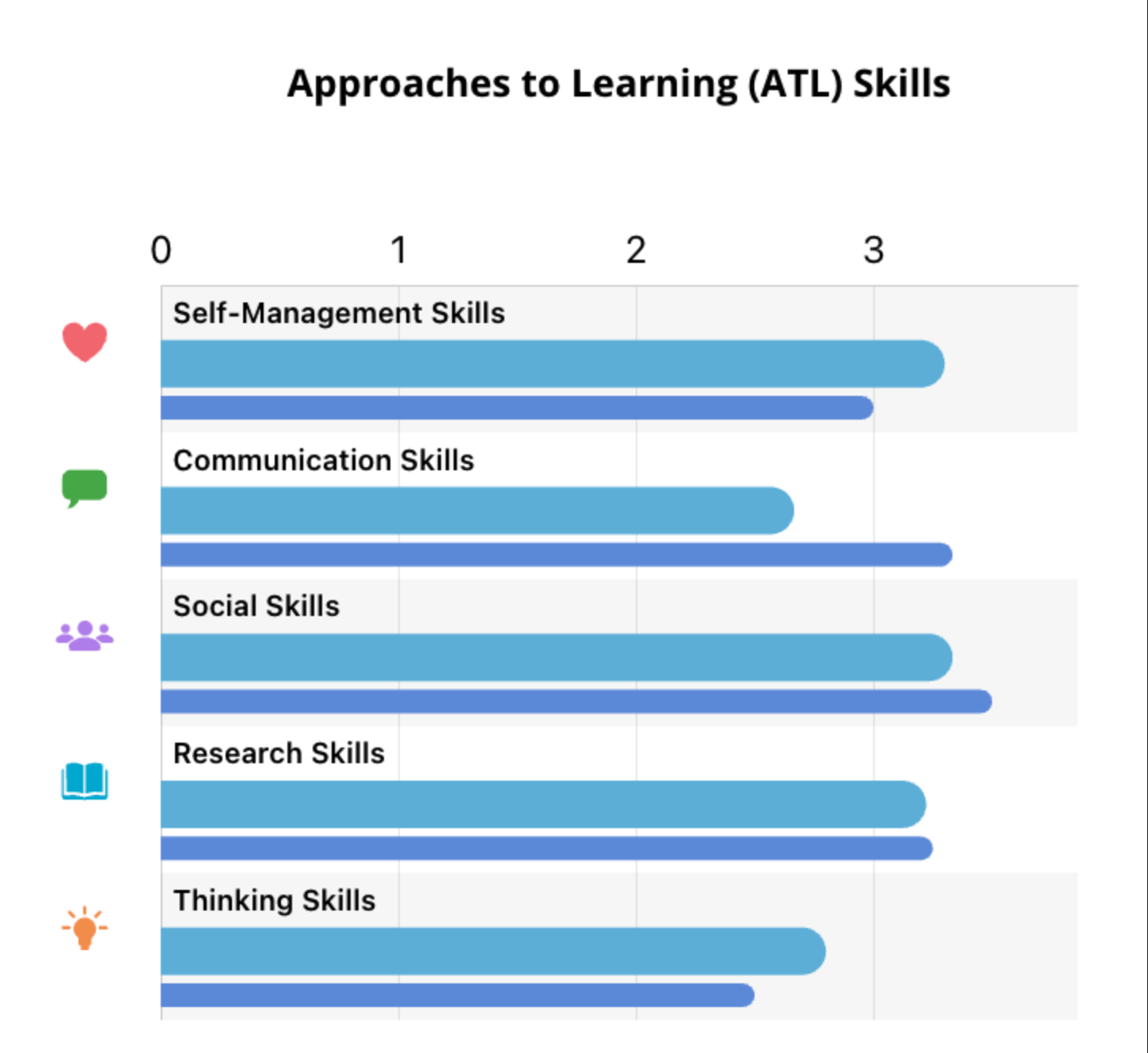
The IB Approaches to Learning (ATL) skills are based on the idea that learning how to learn is essential both in and beyond school. In the International Baccalaureate (IB) programmes, ATL skills help students develop the strategies, attitudes, and habits they need to become independent, self-regulated, and lifelong learners.
The ATL framework supports students in developing:
Teachers intentionally plan opportunities for students to develop these skills both explicitly and implicitly across all subject areas and learning experiences.
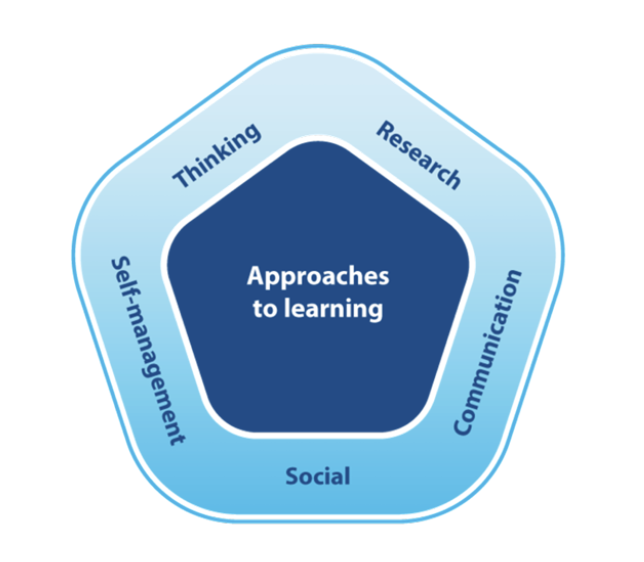
Approaches to Learning skills are among the most important components of an IB education because they help students develop transferable competencies that extend beyond academic content.
Schools implementing the IB Primary Years Programme (PYP) often work hard to create an ATL continuum that supports student growth across grade levels and eventually across all IB programmes.
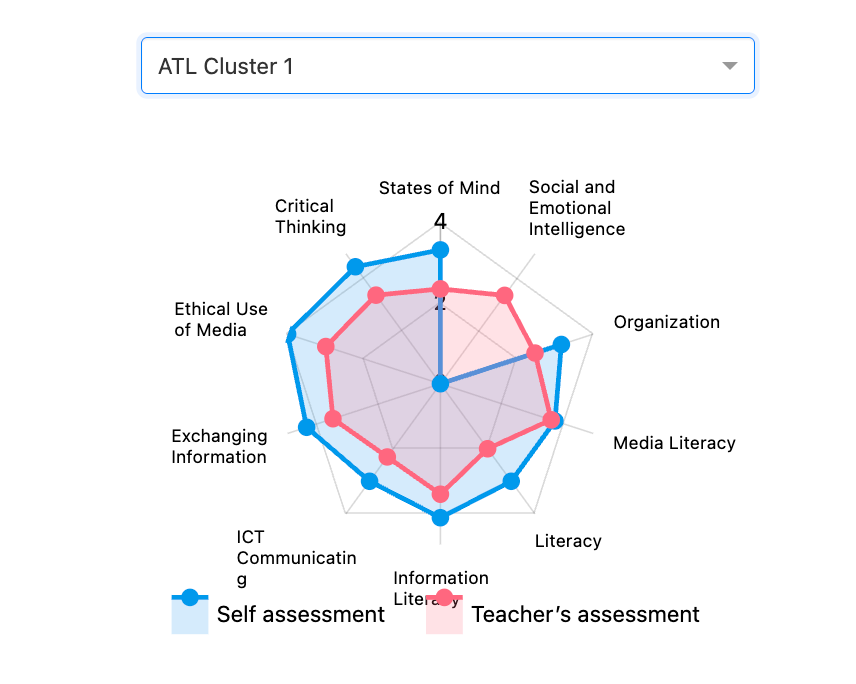
However, one of the biggest challenges schools face is making ATL development visible, measurable, and meaningful for teachers, students, and families.
Of all the components of the IB programmes, Qridi Core places particular emphasis on the development and visibility of ATL skills within both the design and functionality of the platform.
Qridi Core enables schools to:
What makes Qridi Core unique is its ability to present this important learning in a detailed, practical way, right down to the ATL clusters and individual skill indicators.
In the PYP, the IB provides:
These are organized across the five ATL categories:
These skills are considered essential 21st-century competencies and are intended to be taught and practiced throughout the programme.
While ATL skills are critical, schools must also ensure that other important dimensions of the IB mission are intentionally developed. These include:
The Qridi Core PYP Curriculum brings these elements together into a single coherent framework.
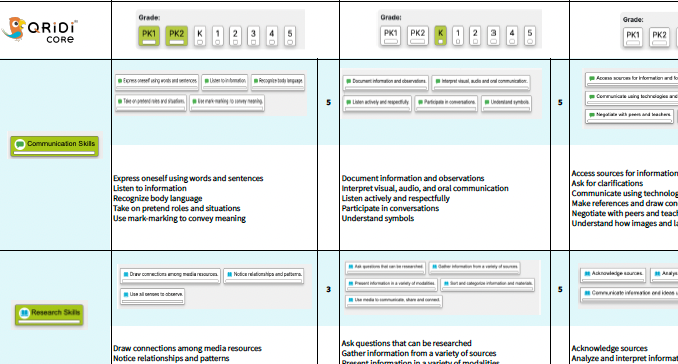
Developmentally appropriate indicators connected to international-mindedness, the Learner Profile, environmental education, and inclusion are incorporated directly into the enhanced ATL framework. This gives teachers clearer focus areas while helping schools explicitly monitor and support student growth, and is explained in our ATLs Made Easy article.
Importantly, the framework also maintains a manageable number of indicators per grade level, ensuring students have sufficient opportunities for practice, reflection, and growth.
One of the most powerful features of Qridi Core is the way ATL skills align with learning outcomes.
Enhanced ATL Skills, Learner Profile attributes, concepts, and Inquiry Progression Skills can all be connected directly to curriculum outcomes and learning experiences.
This is especially valuable for schools and teachers who are new to IB implementation. Suggested curriculum alignments help educators better understand how the different elements of the programme work together in practice.
For example, a Grade 1 Music learning outcome can be aligned with:
This creates a more connected and comprehensive approach to planning, teaching, assessment, and reflection.
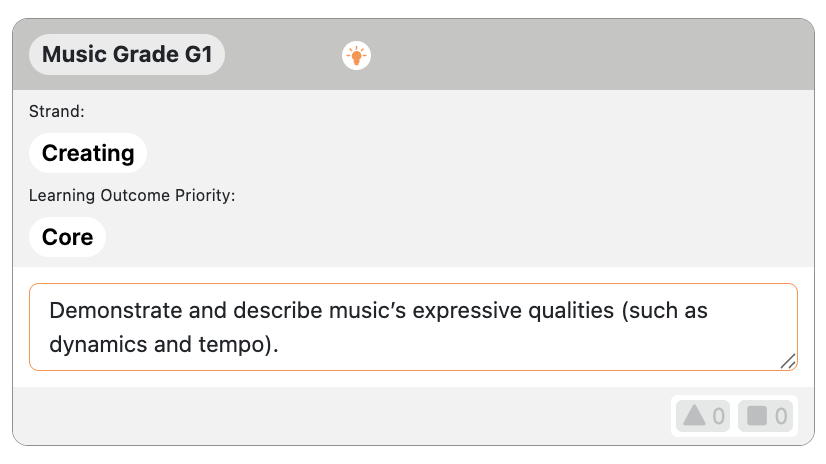
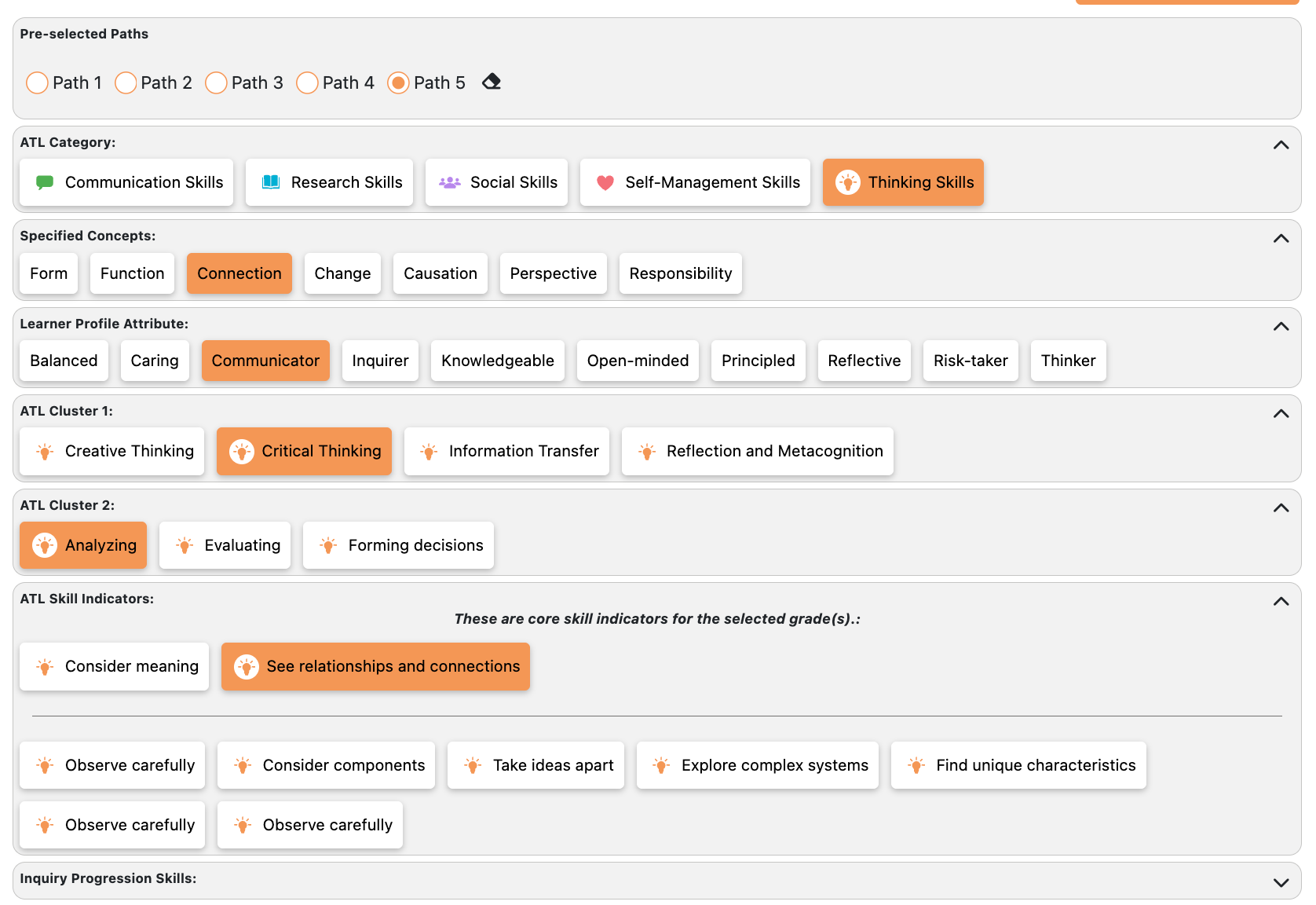
You can download an overview of the specific enhanced ATL skills for each grade level, from PreK through Grade 5, to see how these skills progress developmentally across the primary years.
For more information, IB educators may also be interested in the IB professional learning resource:
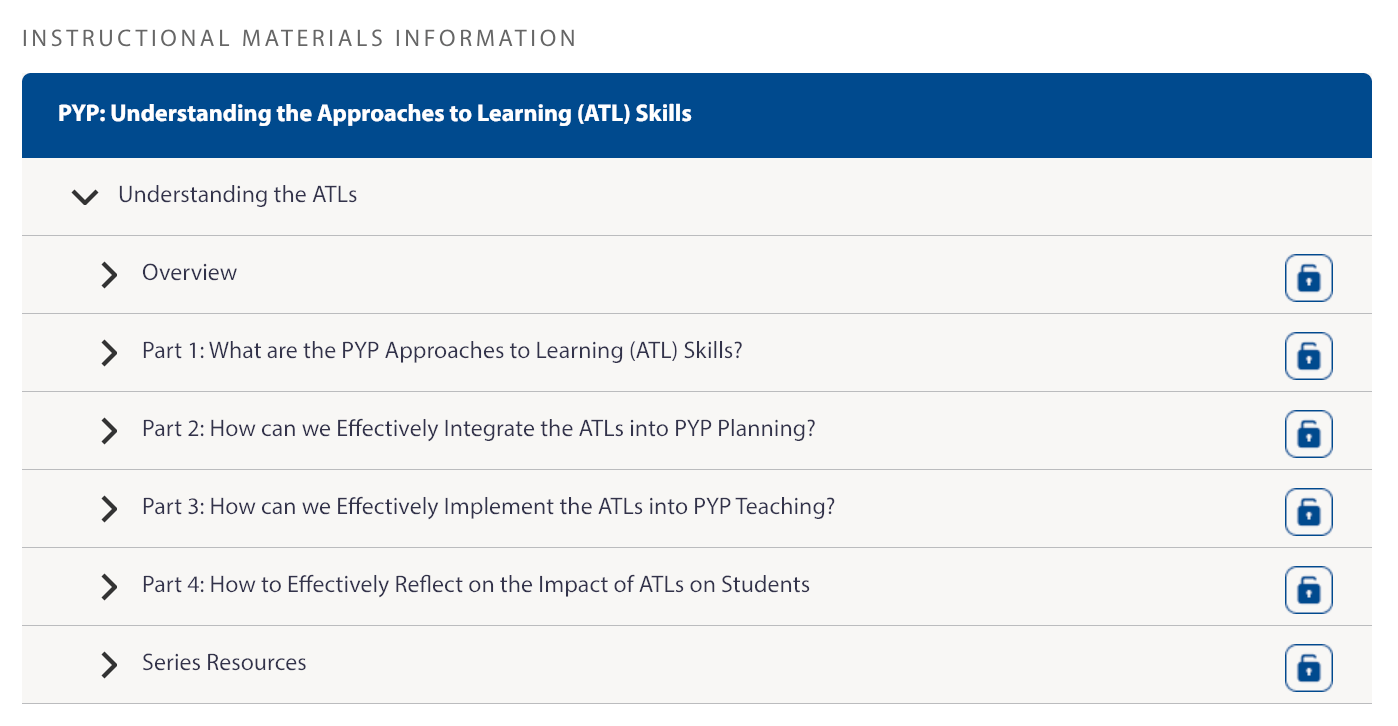
PYP: Understanding the Approaches to Learning (ATL) Skills (IM-00000013Y)
Available through the IB Exchange (login required), this asynchronous course helps teachers:
Want to see how Qridi Core can support powerful, manageable ATL articulation in your school? Book a conversation with our team to learn more.